
Trading the city for the vast, quiet landscapes of the Karoo is an exciting lifestyle change. But while the pace of life might be slower, the process of finding and renting a home requires the same diligence you’d apply anywhere else—with a few unique local considerations.
Whether you are looking for a historic cottage in a quiet town or a farmhouse on the outskirts, here is how to navigate the rental process.
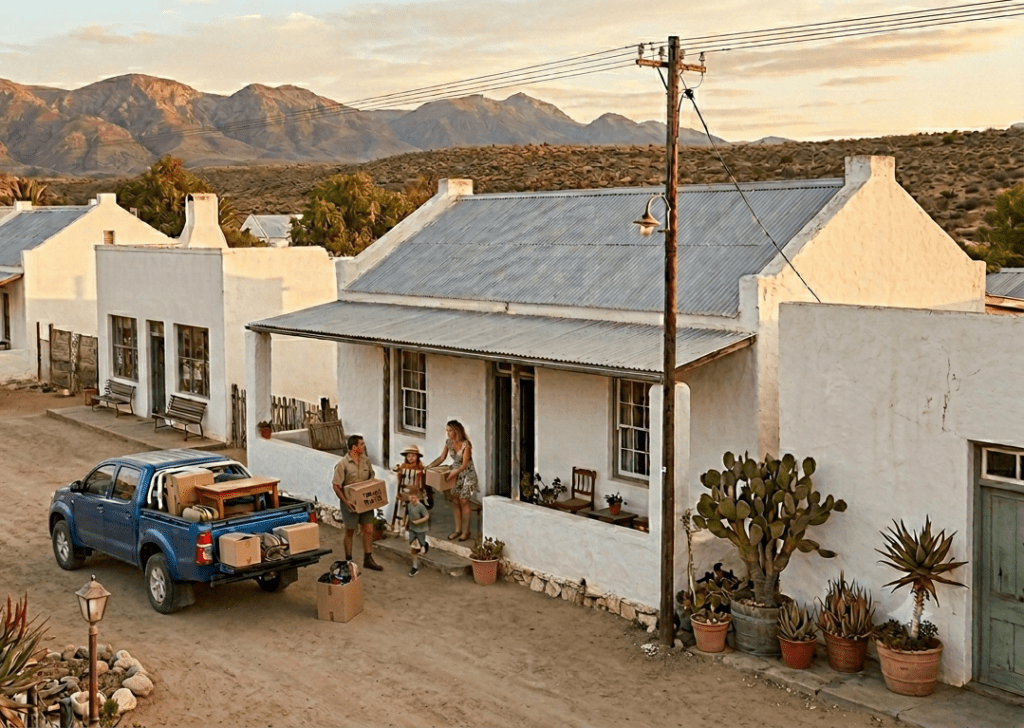
1. Prioritize Infrastructure over Aesthetics
It is easy to fall in love with a charming, century-old stone house, but living there is a different story. Because the Karoo is semi-arid and remote, your primary focus should be on utility resilience.
- Water Security: Never assume tap water is guaranteed. Ask specifically about the property’s water source—is it municipal, or does it rely on a borehole? If there is a borehole, ask about its reliability and whether there is backup water storage (like a Jojo tank) for dry spells.
- Energy Resilience: Grid instability can be a reality. Check if the property has any off-grid solutions like solar panels, an inverter, or a gas stove/geyser. These are not just “nice-to-haves” in the Karoo; they are vital for comfort.
- Connectivity: If you are planning to work remotely, verify the local internet connectivity. Ask the landlord or current tenant about the reliability of the signal in that specific area.
2. Understand the “Maintenance Reality”
Many available rentals in the Karoo are older heritage properties. These homes require consistent care.
- Clarify Responsibilities: Before signing, clearly define who is responsible for what. Landlords are responsible for structural integrity (leaks, plumbing, electrical), but in many remote areas, finding a tradesperson can take time.
- Garden Maintenance: If you are renting a house with a large plot, clarify if gardening is your responsibility. Maintaining a garden in a dry, semi-desert climate requires specific knowledge—ensure you have the equipment and the time to keep it alive.
3. Build Local Relationships
In small Karoo towns, people value reputation and direct communication.
- Use Local Experts: While online platforms are useful, the best rentals in small towns often move through word-of-mouth. Contact a local, reputable estate agent—they often know about properties coming to the market before they are ever listed online.
- Be a Good Neighbor: Once you move in, the community will be your most important resource. Knowing your neighbors is often the best “security system” in a town where people look out for one another.
4. Essential Admin Basics
Don’t let the relaxed atmosphere of the Karoo fool you into skipping the legal basics of renting in South Africa.
- The Lease Agreement: Always have a written lease agreement. It must clearly state the rental amount, deposit details (which must be kept in an interest-bearing account), notice periods, and maintenance obligations.
- The Inspection: Conduct a thorough, signed “ingoing” inspection with photos of the property’s condition, including any existing damage. This protects your deposit when it comes time to move out.
- Financial Readiness: Have your documentation ready—proof of income, bank statements, and references. Because rental stock in popular Karoo towns can be limited, being “admin-ready” means you won’t lose out on a property you love.
The Karoo offers a rare kind of peace and space. By doing your homework on the practicalities—water, power, and the terms of your lease—you can ensure your transition to “Karoo life” is smooth, sustainable and truly rewarding.